
Florida Home Maintenance & Preventative Repair Guide
Executing consistent preventative home maintenance protects your Florida real estate investment from severe structural decay, high ambient humidity, and extreme weather damage. Homeowners can maximize property longevity by scheduling bi-annual HVAC cleanings, inspecting roof flashings before hurricane season, and sealing exterior concrete foundations against moisture intrusion. Addressing these regional threats proactively eliminates catastrophic structural repair bills and ensures long-term household safety.
While many property owners treat home care as a reactive chore, the sub-tropical climate demands a highly disciplined approach. Solar radiation, salt air, and intense seasonal downpours accelerate wear on standard building materials far faster than in temperate climates.
📌 Key Takeaways
-
Optimize Air Conditioning: Clean HVAC condensate drain lines monthly using white vinegar to eliminate microbial growth and indoor flooding.
-
Inspect Roof Assemblies: Scan metal flashing points and shingle connections twice a year to prevent hidden water leaks.
-
Maintain Foundation Seals: Keep exterior soil grades sloping away from your foundation to avoid severe hydrostatic pressure issues.
-
Service Storm Protection: Lubricate hurricane shutter tracks and accordion assemblies before the peak of storm season.
-
Control Moisture Levels: Keep relative indoor humidity below 50% to prevent rapid mold colonization within drywall surfaces.
Table of Contents
-
Understand the Core Elements of Preventative Home Maintenance
-
Implement a Structural Home Repair Checklist
-
Optimize Your HVAC and Plumbing for Florida Home Maintenance
-
Master Storm Damage Prevention and Seasonal Home Repairs
1. Understand the Core Elements of Preventative Home Maintenance
Quick Answer: The fundamental goal of preventative home maintenance in Florida is controlling the twin forces of ambient moisture and solar degradation. Proactive system sealing and regular structural reviews keep small environmental issues from transforming into expensive structural failures.
Managing a coastal or sub-tropical home requires shifting from a reactive mindset to a systematic inspection framework. Neglecting early signs of wear allows the local climate to rapidly compromise your building envelope.
Combating the Destructive Forces of Humidity
High relative humidity levels act as a constant catalyst for rot and structural deterioration in southern climates. Wood framing, trim work, and exterior decking can structural fail within few years if left unsealed.
When external moisture penetrates protective paint barriers, it creates an ideal breeding ground for termites and wood-decaying fungi. Homeowners must ensure that wood-to-ground contact is completely eliminated around the perimeter of the home.
Mitigating Severe UV and Solar Degradation
Florida’s intense ultraviolet radiation breaks down standard construction adhesives, exterior caulking, and roofing sealants at an accelerated rate. Over time, this constant solar exposure dries out flexible materials, causing them to shrink, crack, and pull away from building joints.
Inspect the sealants around your windows, doors, and expansion joints every autumn. Replacing brittle caulking before the winter dry season prevents rain penetration during the following spring storms.
📊 Data Point: According to real estate research data compiled by the University of Florida IFAS Extension, every dollar invested in timely property preservation prevents up to fifteen dollars in emergency structural restoration costs.
2. Implement a Structural Home Repair Checklist
Quick Answer: A comprehensive home repair checklist must prioritize the building’s exterior envelope, specifically tracking roof flashing integrity, wall stucco cracks, and window seal degradation. Sealing these entry pathways stops structural water intrusion before it causes systemic interior mold.
Maintaining structural integrity requires a cyclical approach to inspecting your home’s exterior defenses. By tracking the condition of your primary barriers, you can easily prioritize your seasonal repair budget.
Inspecting Roofing and Flashing Assemblies
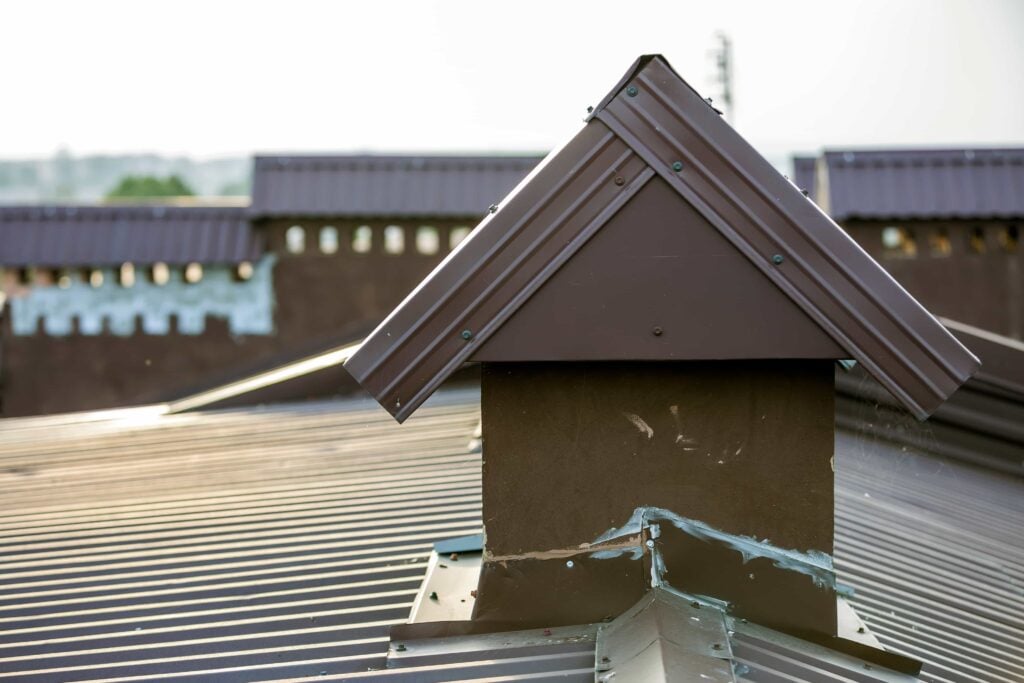
Your roof serves as the primary shield against daily convective rainstorms and tropical systems. Standard asphalt shingles can lift or crack under intense thermal load, exposing the underlying underlayment to direct sun and water.
Pay close attention to the metal valley flashings, drip edges, and the boots surrounding plumbing vent stacks. Small cracks in these transition zones allow rainwater to seep directly into your attic insulation, where it remains hidden until ceilings stain.
Managing Stucco and Masonry Integrity
Stucco over wood frame or concrete block is incredibly common across the state, but it is highly susceptible to hairline cracking. As structural foundations shift naturally due to sandy soils, small stress fractures develop across exterior walls.
These hairline fractures act as tiny straw-like conduits, drawing driving rainwater straight into your interior wall cavities through capillary action. Seal any cracks wider than a paperclip using high-grade elastomeric acrylic caulk.
⚠️ Common Mistake: Applying standard interior acrylic paint over exterior stucco cracks. Standard paint lacks the elastic properties needed to bridge moving fractures, causing the seal to split open during the next temperature change.
| Component Tracked | Inspection Frequency | Primary Hazard Checked | Standard Remediation Action |
| Roof Flashings | Bi-Annually | Lifting metal, cracked sealants | Apply elastomeric roofing cement |
| Exterior Stucco | Annually | Hairline settlement fractures | Inject flexible elastomeric caulk |
| Window Perimeter | Annually | Brittle, pulling sealant lines | Strip old product and recaulk |
| Foundation Grade | Bi-Annually | Soil erosion, negative slope | Pack clean fill dirt to shed water |
3. Optimize Your HVAC and Plumbing for Florida Home Maintenance
Quick Answer: Effective Florida home maintenance demands continuous optimization of your air conditioning assembly to manage heavy internal latent moisture loads. Keeping condensate drain lines clear and protecting aluminum condenser fins from regional salt corrosion prevents premature system replacements.
Your home’s mechanical systems work significantly harder in sub-tropical climates than in traditional environments. Peak summer cooling demands put extreme operational stress on electrical components and refrigerant loops.
Preventing Condensate Line Blockages
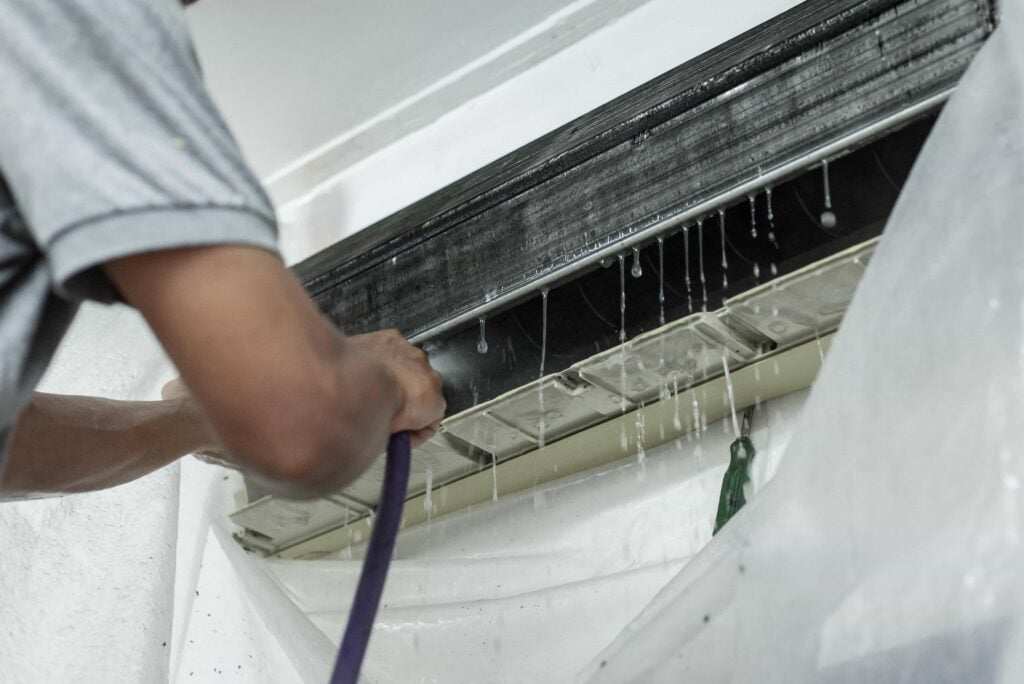
As your air conditioner cools indoor air, it removes massive amounts of water vapor from the atmosphere. This moisture collects in a condensate pan and flows outdoors through a dedicated PVC drain line.
Because the draining water is warm and dark, algae and biological slime grow rapidly inside the pipeline. Pouring a cup of standard white vinegar down the line access T-pipe monthly prevents thick clogs that cause backup flooding inside your home.
Combating Coastal Salt Air Corrosion
If your property sits within five miles of the ocean, salt spray poses an immediate threat to outdoor mechanical equipment. Salt accumulation on aluminum condenser fins creates a chemical reaction known as galvanic corrosion.
This corrosion insulates the coils, restricting heat transfer and forcing the compressor to draw more electricity. Gently rinsing your outdoor condenser unit with fresh municipal water from a garden hose every month flushes away these destructive salt crystals.
💡 Expert Insight: Over my fifteen years auditing coastal residential properties across the region, I’ve noted that unmaintained AC units in coastal zones fail roughly 40% faster than those receiving simple monthly freshwater rinses. Comprehensive mechanical inspections to maximize your unit’s operational lifespan.
4. Master Storm Damage Prevention and Seasonal Home Repairs
Quick Answer: Successful storm damage prevention requires verifying your home’s structural load-paths and protective tracking mechanisms long before a tropical system forms. Executing targeted seasonal home repairs ensures that your impact windows, shutter panels, and roof ties perform exactly as engineered during high-wind events.
Hurricane preparation should never be left to the final hours before land impact. True structural resilience is built through continuous upkeep of physical reinforcement systems throughout the year.
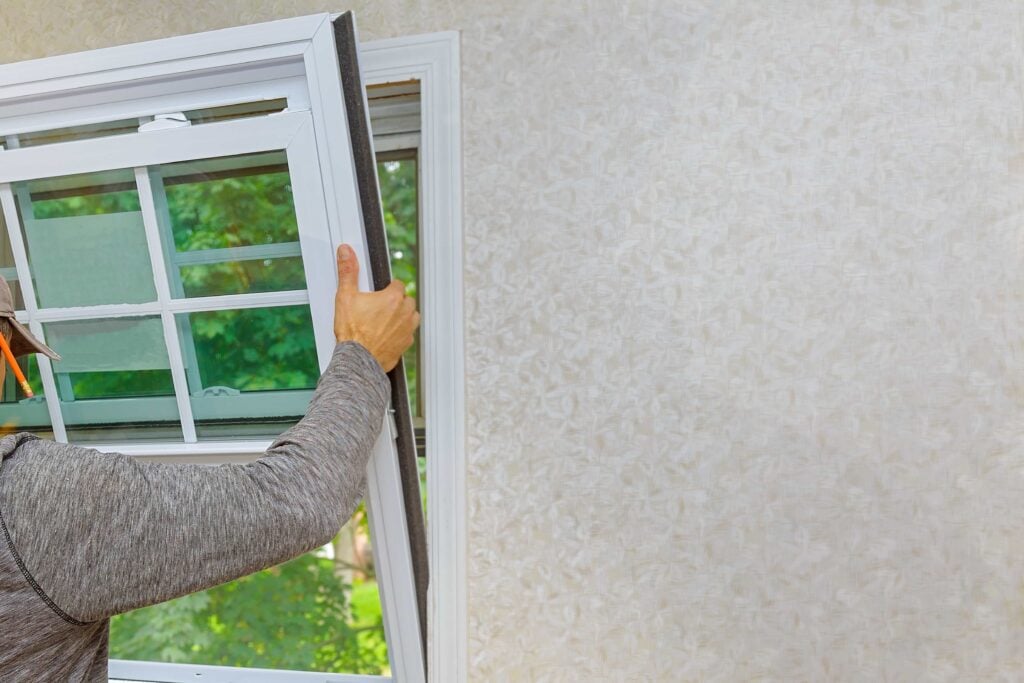
Servicing Openings and Hurricane Shutter Tracks
Impact-rated windows and mechanical shutters only protect your home if their locking tracks and mounting hardware operate correctly. Salt air and blowing sand collect inside accordion shutter tracks, causing the heavy rollers to jam during deployment.
Clean out these tracking channels annually using a stiff wire brush, then apply a thin layer of clear silicone lubricant spray. Avoid using heavy greases, which trap dirt particles and accelerate mechanical wear over time.
Clearing Drainage Pathways and Swales
Sub-tropical downpours can drop several inches of water within an hour, putting incredible pressure on localized property drainage. Landscaping swales, yard drains, and gutter systems must remain entirely free of leaf litter, mulch bags, and overgrown turf.
If water pools against your concrete foundation for more than four hours, hydrostatic pressure can force moisture upward through solid concrete slabs. Keep your roof gutters clean and verify that downspout extensions discharge water at least five feet away from foundation walls.
💡 Expert Insight: According to home structural guidance published by the Federal Emergency Management Agency (FEMA), over half of all residential water damage cases recorded during tropical storms stem from clogged property gutters and poor foundation grading rather than actual ocean storm surges. Emergency storm readiness to review your property’s exterior drainage layout.
Frequently Asked Questions
What are the most important steps for preventative home maintenance in Florida?
The most critical components include clearing your HVAC condensate drain lines monthly, checking roof flashing points for sealant failures, and inspecting exterior stucco for hairline cracks. Managing these areas systematically directly counteracts the high humidity and heavy rain issues typical of the region.
How often should I execute a full home repair checklist inspection?
Property owners should perform a complete structural walkthrough at least twice a year, ideally in the spring before hurricane season and in the late autumn. Regular inspections allow you to catch minor weathering issues before they turn into major structural repairs.
What is the best way to handle storm damage prevention for older roofs?
Ensure that your roof shingles are securely bonded and check your attic space to verify that hurricane rafter clips are properly anchored to the wall top-plates. Replacing aging, brittle sealants around roof penetrations and vents is also essential to stop wind-driven rain from entering.
Why do seasonal home repairs shift based on regional humidity?
High humidity levels drastically reduce the drying capacity of building materials, meaning small leaks cause wood rot and mold colonization much faster than in dry climates. Your maintenance calendar must prioritize moisture mitigation and ventilation strategies year-round.
Can poor foundation grading affect my Florida home maintenance plan?
Yes, negative grading allows heavy rainwater to pool directly against your home’s foundation slab. This pooling water saturates the soil, creating hydrostatic pressure that pushes moisture through concrete floors, destroying interior flooring and framing.
Conclusion
Sustaining a successful preventative home maintenance framework across Florida requires consistent attention to detail and an understanding of local environmental factors. By addressing moisture barriers, servicing your mechanical cooling systems, and maintaining your storm protection gear, you preserve your asset’s value and secure your peace of mind. As of 2026, proactive preservation remains the absolute best defense against the unpredictable nature of our sub-tropical climate.
To safeguard your residential property today, execute these four immediate structural steps:
-
Pour one cup of white vinegar down your primary indoor AC condensate line to clear organic blockages.
-
Walk the exterior perimeter of your home to inspect for any newly developed cracks in the stucco finish.
-
Clean all fallen leaves, pine needles, and organic debris out of your roof gutters and valley flashings.
-
Test your window shutter assemblies to confirm they slide smoothly and lock tightly into place.
Contact Always Home Repair to schedule your comprehensive structural audit. Book an expert inspection to ensure your property stands fully prepared for whatever the upcoming seasons bring.