Understanding Flood Damage Restoration
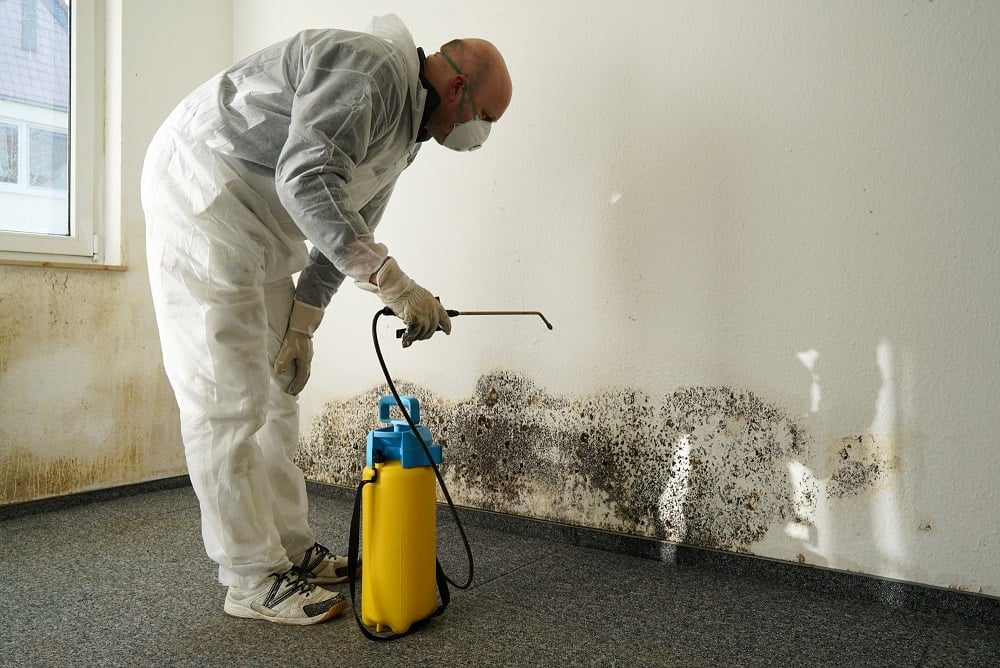
Flood damage restoration is a critical process that involves cleaning and repairing a property affected by water intrusion. Homeowners often face significant challenges when dealing with the aftermath of flooding, including structural damage, mold growth, and loss of personal belongings. Understanding the steps involved in restoration can help homeowners make informed decisions.
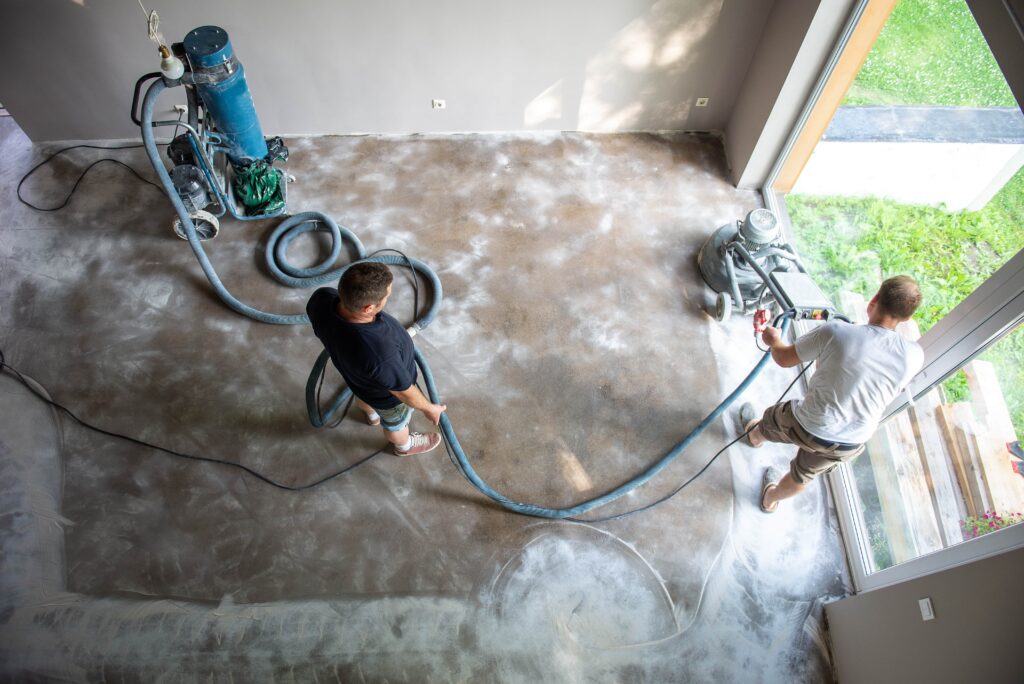
The restoration process typically begins with water extraction, followed by drying and dehumidification. Professional services may also involve cleaning and sanitizing affected areas, repairing structural damage, and restoring personal items. For instance, specialized equipment like dehumidifiers and industrial fans are used to expedite the drying process, ensuring that homes are safe and habitable as quickly as possible.
Common Causes of Flooding
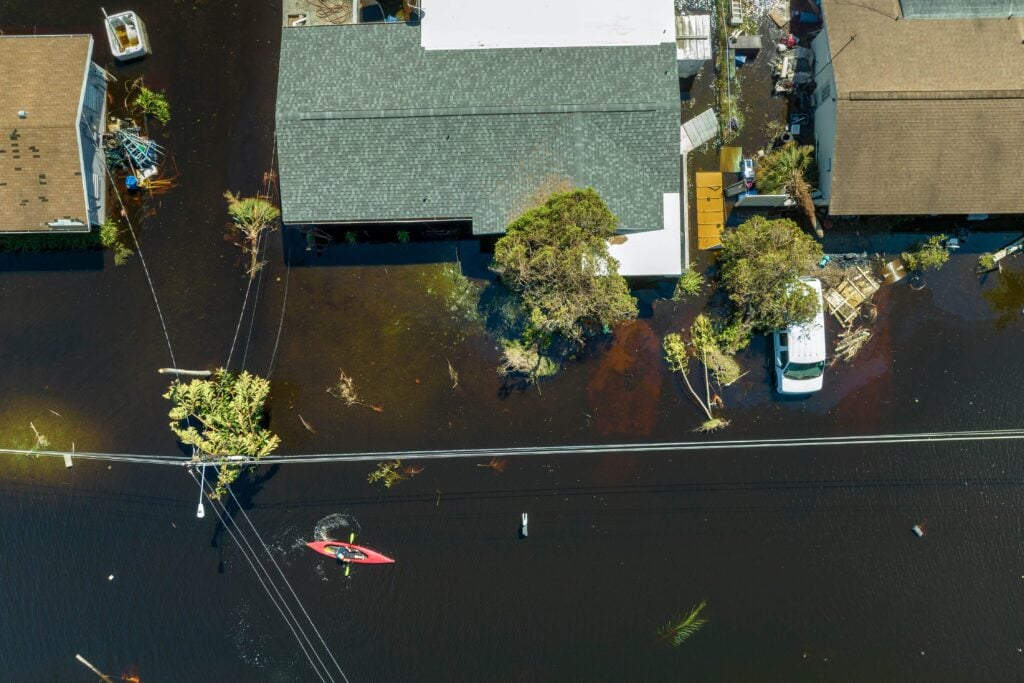
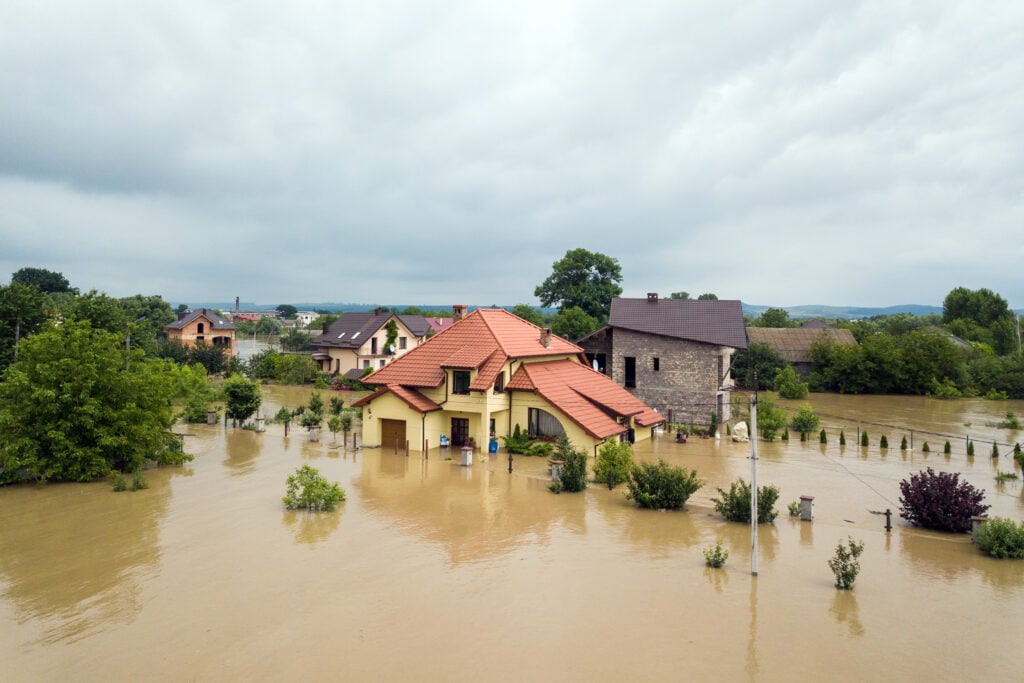
Flooding can occur due to various natural and man-made factors, and understanding these causes is essential for prevention and preparedness. Common causes include heavy rainfall, hurricanes, melting snow, and even broken pipes or sewer backups. Each of these factors can lead to significant water damage if not addressed promptly.
Choosing the Right Flood Restoration Service
Selecting a reliable flood restoration service is crucial for effective recovery after a flood. Homeowners should look for companies with a proven track record, certified technicians, and comprehensive services that cover everything from water extraction to restoration. Researching customer reviews and ratings can also provide valuable insights into the quality of service offered.
For instance, Always Home Repair stands out in the Orlando area for its commitment to customer satisfaction and expertise in flood restoration. By comparing multiple service providers, homeowners can ensure they choose a company that meets their specific needs and can handle the complexities of flood recovery efficiently.
Preventing Future Flood Damage
Prevention is key when it comes to protecting your home from future flood damage. Homeowners can take several proactive steps, such as installing flood barriers, ensuring proper drainage systems, and regularly inspecting roofs and gutters. These measures can significantly reduce the risk of water intrusion during heavy rains or storms.
In addition, creating an emergency plan and having an emergency kit ready can help families respond quickly and effectively in the event of a flood. Educating family members about the risks and procedures associated with flooding can further enhance safety and preparedness, ensuring that everyone knows what to do when faced with potential water damage.